
Too Many Tabs Open™ for Teams
Team Workshops & Facilitated Experiences
Teams don't usually struggle because people aren't working hard.
Sometimes they're working incredibly hard. But priorities are competing, decisions keep circling, communication gets harder, and important work isn't moving the way it should.
Leaders start carrying things others could be carrying. Team members aren't always clear about what matters most. Meetings create more conversation without enough resolution. And urgent work keeps crowding out important work.
That's what Too Many Tabs Open™ can look like on a team.
I facilitate interactive team experiences that create space for people to step out of the day-to-day noise, talk honestly about what's getting in the way, clarify what matters most, and determine what needs to happen next.
Clearer priorities. Better decisions. Stronger communication. Important work gets done.
What Happens When a Team Has Too Many Tabs Open?
The signs aren't always dramatic.
- It can look like the same decision showing up in three meetings.
- A priority everyone agreed was important continually getting pushed behind something urgent.
- A leader becoming the default person for every question, problem, or decision.
- People leaving a meeting with different interpretations of what was decided.
- A conversation everyone knows needs to happen that keeps getting postponed.
- Or a capable team working incredibly hard without seeing enough movement on the work that matters most.
Individually, these moments can seem small.
Together, they consume time, complicate communication, create unnecessary friction, and make it harder for people to do their best work.
Sometimes the most productive thing a team can do is create enough space to see what's actually getting in the way.
What We Can Work On Together
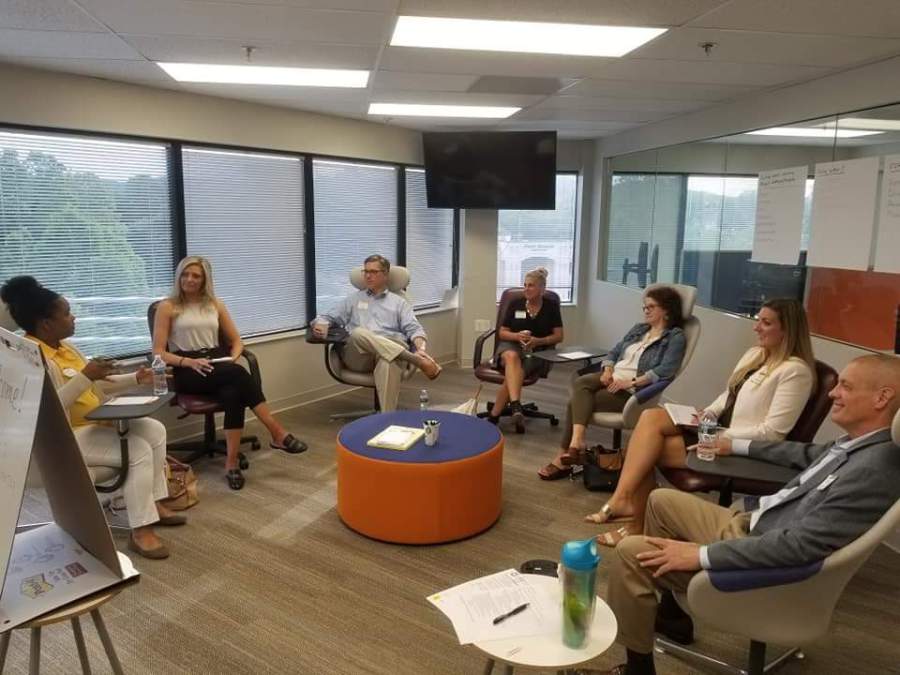
Every team's tabs are different, so the conversation is shaped around what's actually happening in the room.
Depending on your team's needs, we might work on:
- Clarifying competing priorities and what deserves attention now
- Making decisions without repeatedly reopening them
- Strengthening communication around expectations, ownership, and next steps
- Identifying what leaders are carrying that could be shared or owned elsewhere
- Getting aligned around what matters and what can wait
- Turning meetings and conversations into clearer decisions and action
- Moving an important project, priority, or initiative forward
The goal isn't more information. It's helping the team work differently after we leave the room.
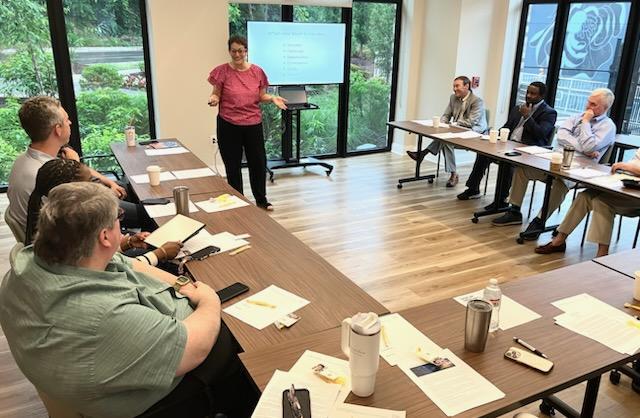
What Your Team Can Leave With
Depending on the goals of the engagement, teams can leave with:
- Clearer shared priorities
- Better-defined decisions and next steps
- Stronger communication around expectations and ownership
- Greater alignment around what matters most
- Practical tools for navigating competing demands
- Specific commitments for moving important work forward
And importantly, the conversation doesn't have to end when the workshop does.
The team leaves with language and tools they can continue using when the tabs start piling up again.
Ways We Can Work Together
Interactive Team Workshops
Focused facilitated sessions designed around a specific challenge, conversation, or outcome your team needs to address.
Workshops can be especially useful for leadership development, team resets, professional development, planning sessions, and moments when a team needs to step out of the day-to-day long enough to think together.
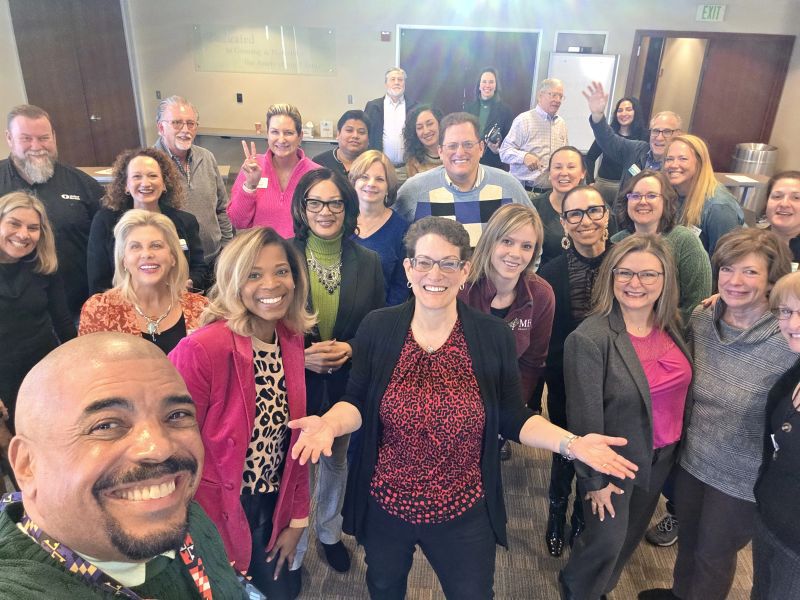
Half-Day & Full-Day Team Experiences
When a team needs more room to work through what's happening beneath the surface, a longer facilitated experience allows us to go deeper.
We can create space to examine competing priorities, clarify ownership, strengthen communication, address conversations that need to happen, and determine how the team wants to work together going forward.
These experiences can be particularly valuable during periods of growth, transition, changing responsibilities, or when an important initiative needs greater alignment.
Ongoing Leadership & Team Support
Sometimes one conversation surfaces work that deserves continued attention.
Ongoing support gives leaders and teams a place to revisit priorities, work through emerging decisions and challenges, reinforce new ways of working, and keep important commitments from getting lost once everyone returns to the day-to-day.
Built Around Your Team
No two teams have exactly the same tabs open.
Before we decide what the session should look like, I want to understand what's actually happening.
Where is work getting stuck? What keeps resurfacing? What are leaders carrying? Where is communication breaking down? What important work isn't getting the attention it needs? And what would you like to see happening differently after we're together?
From there, I shape the experience around your people, your challenges, and the outcomes that matter to your organization.
This isn't an off-the-shelf workshop dropped into your conference room. The framework is mine. The conversation belongs to your team.
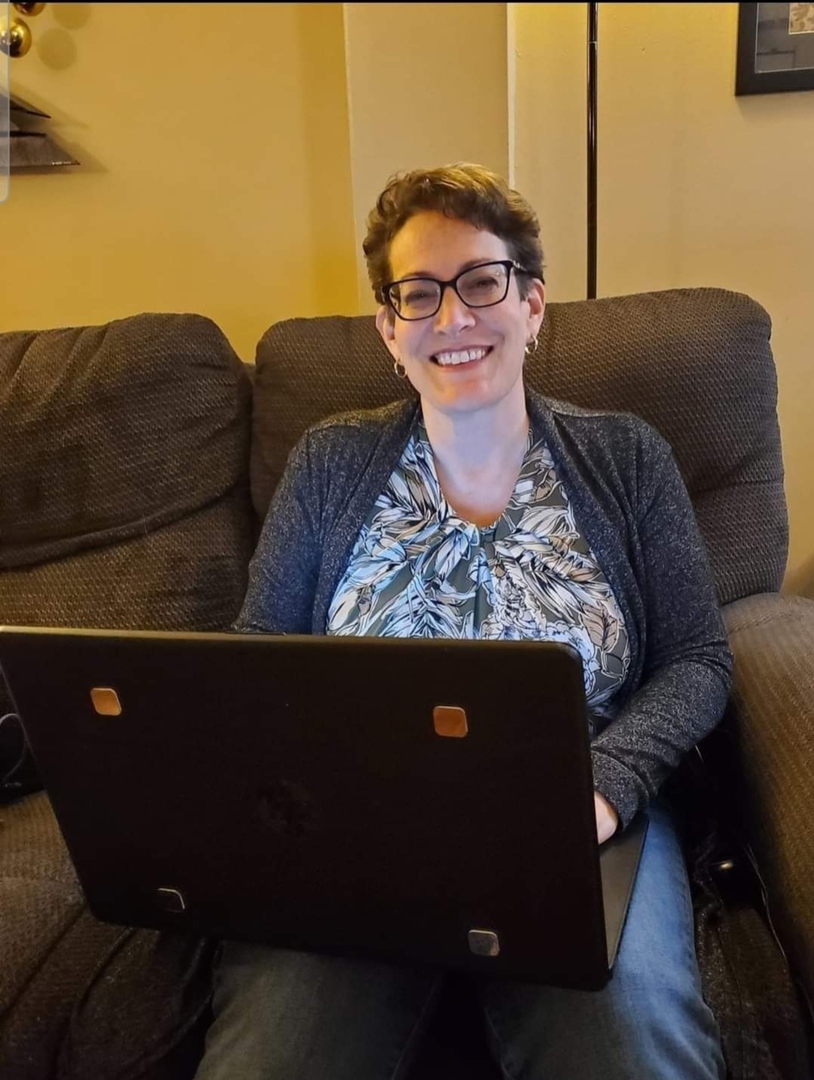
Why Wendy
I bring more than 20 years of experience across leadership, training, business development, coaching, and facilitation, including years spent working inside organizations where competing priorities, communication gaps, unclear ownership, and constant demands weren't theoretical problems. They were part of getting real work done with real people.
Today, I bring that experience together with my Too Many Tabs Open™ work and S.P.A.C.E.™ Framework to create facilitated experiences that are practical, conversational, and deeply human.
I'm not coming into the room assuming I have all the answers about your team.
My job is to create the space and structure that helps your team have the conversations, make the decisions, and identify the next steps that are difficult to reach when everyone is caught in the day-to-day.
What Could Move If Your Team Closed a Few Tabs?
Maybe there's a decision that keeps circling.
A priority that keeps getting pushed.
A conversation that needs to happen.
A leader carrying too much.
Or an important piece of work that simply isn't moving.
You don't need to know exactly what kind of workshop you need before we talk.
Tell me what's happening with your team and what you'd like to be different. We'll determine together what kind of facilitated experience would serve them best.
 Print
Print 